Your team

The team behind these acne scar guides

The Plastic Surgery & Aesthetics Medical Center at Chongqing West District Hospital is led by four consultants working inside a tertiary general hospital. Yongbo Jia, MD, head of dermatology, is responsible for the medical review of this site, because the first question about a scarred face is a dermatological one. Ke He, MD, carries out the procedural work that most scarring needs, and Tongchun Mao, MD, and Shaoliang Wang, MD, handle the small number of scars better treated by operation.

Specialist profiles

Who reviews this content

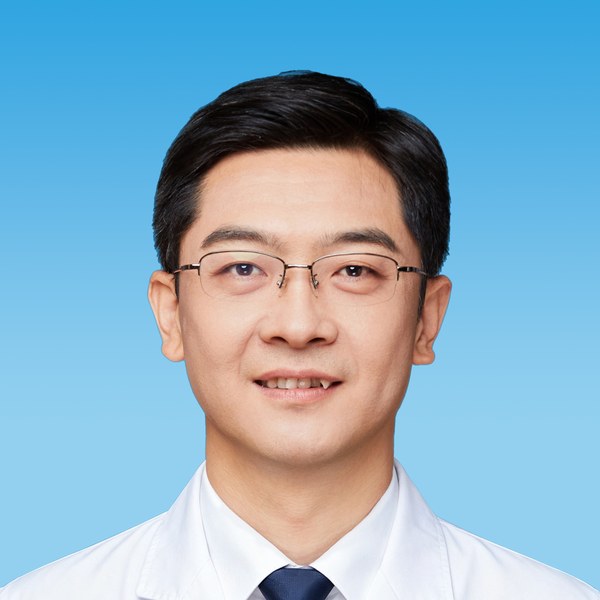
Yongbo Jia

Yongbo Jia (贾勇波)

Deputy Director & Head of Dermatology · Vice Chief Physician, Licensed Aesthetic Attending · Lead Physician of This Site

Dermatology · acne · what the skin is left with

Dr. Yongbo Jia is Deputy Director of the Plastic Surgery & Aesthetics Medical Center and head of its dermatology service at Chongqing West District Hospital, and he is the physician responsible for this site. A vice chief physician and licensed aesthetic attending, he graduated from Chengdu University of Traditional Chinese Medicine and trained in dermatology at the Institute of Dermatology, Chinese Academy of Medical Sciences, and at Chongqing Hospital of Traditional Chinese Medicine.

His first question about a scarred face is not which device to use but whether the acne is still active. Treating the surface of a face that is still breaking out produces a cycle of new marks and repeated sessions, and no amount of laser resolves that. He treats the scarring as the second half of an acne plan rather than as a cosmetic problem that arrives after the acne has gone.

Clinical focus

  • Medical control of teenage, adult and hormonal acne, including when to escalate
  • Assessment of what acne has left behind: colour marks, textural change, true scarring
  • Aftercare of post-inflammatory pigment: the red and brown marks that outlast the acne
  • Diagnosis of acne look-alikes and of conditions that scar for other reasons
  • The decision about when procedural treatment of scarring is worth starting

Academic roles & achievements

  • Member, Jiusan Society
  • Member, Chongqing Integrative Medicine Skin & Beauty Committee
  • Advanced training at the Institute of Dermatology (Chinese Academy of Medical Sciences) and Chongqing Hospital of Traditional Chinese Medicine

The acne comes first

Treating scarred skin while acne is still active is the most common way patients spend money without gaining ground. New inflammation makes new marks, and the plan has to close that tap before it works on what is already there.
Ke He

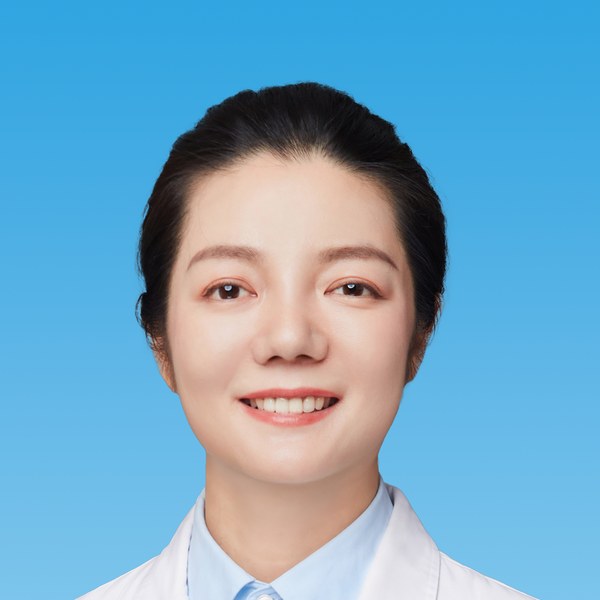
Ke He (何锞)

Deputy Director & Head of Skin & Laser Aesthetics · Attending Physician, Licensed Aesthetic Attending

Skin & laser aesthetics · procedural scar treatment

Dr. Ke He is Deputy Director of the Plastic Surgery & Aesthetics Medical Center and head of its skin and laser aesthetic service at Chongqing West District Hospital. A core specialist formerly at the Plastic and Aesthetic Surgery Department of Xinqiao Hospital, affiliated with Army Medical University, she has worked on the clinical front line in skin laser and injectable aesthetics for more than 20 years.

Her part of this site is the procedural one: which scars respond to microneedling, which need fractional resurfacing, which are tethered and need releasing first, and how many sessions a face will honestly need before it looks different. She is the person who tells patients that the answer is months rather than one appointment.

Clinical focus

  • Acne scar revision: microneedling, fractional laser and subcision, usually combined
  • Post-inflammatory marks after acne, including redness and pigment that persists
  • Early scar prevention and repair: silicone, pressure, injection and laser protocols
  • Full-cycle skin management: barrier repair and laser-based rejuvenation
  • Treatment planning around skin tone and healing response

Academic roles & achievements

  • Member, Laser Medicine Group, Chinese Medical Association Plastic Surgery Branch
  • Member, Facial Rejuvenation Group, Chinese Medical Association Plastic Surgery Branch
  • Member, Chongqing Plastic Surgery Quality Control Center
  • Published 5 papers, holds 5 national patents, and introduced 2 new clinical techniques
Tongchun Mao

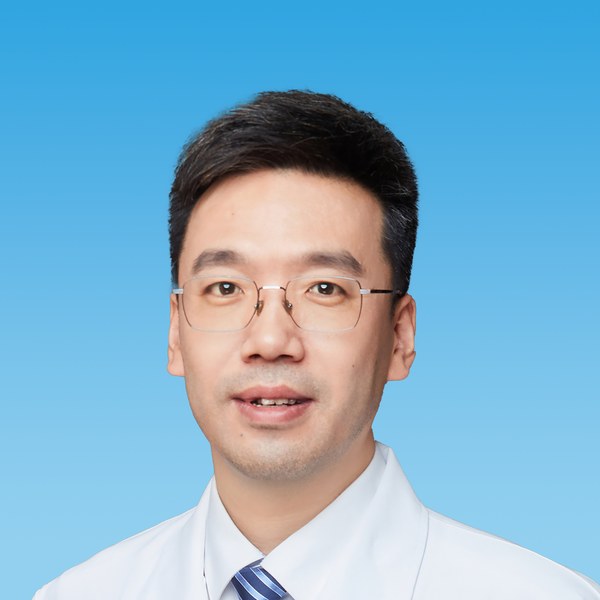
Tongchun Mao (毛彤春)

Deputy Director & Head of Aesthetic Surgery · Vice Chief Physician, Licensed Aesthetic Attending

Aesthetic surgery · excision and reconstruction

Dr. Tongchun Mao is Deputy Director of the Plastic Surgery & Aesthetics Medical Center and head of its aesthetic surgery service at Chongqing West District Hospital. A core specialist formerly at the Plastic and Aesthetic Surgery Department of Xinqiao Hospital, affiliated with Army Medical University, he has rooted his clinical practice for more than 20 years and personally performs over 700 operations a year.

Most acne scarring is treated without an operation, and he is not the first person in the plan. His part is the minority of cases where a single deep scar is better removed and closed, where a scar has healed raised and needs revising, or where volume lost under the scar needs rebuilding with fat.

Clinical focus

  • Surgical revision of individual scars that resurfacing cannot improve
  • Excision and fine layered closure of deep or adherent scars
  • Fat grafting for volume loss beneath scarred skin
  • Correction of raised and thickened scars
  • Aesthetic closure principles applied to scar revision

Academic roles & achievements

  • Member, Rhinoplasty and Trunk Tumor Groups, Chinese Medical Association Plastic Surgery Branch
  • Member, Chongqing Medical Aesthetics Quality Control Center; Member, Chongqing Medical Accident / Disability Assessment Expert Pools
  • Deputy Chair, Chongqing Shapingba District Medical Aesthetics Committee
  • Published 5 SCI papers, holds 7 national patents, and has participated in 4 research projects
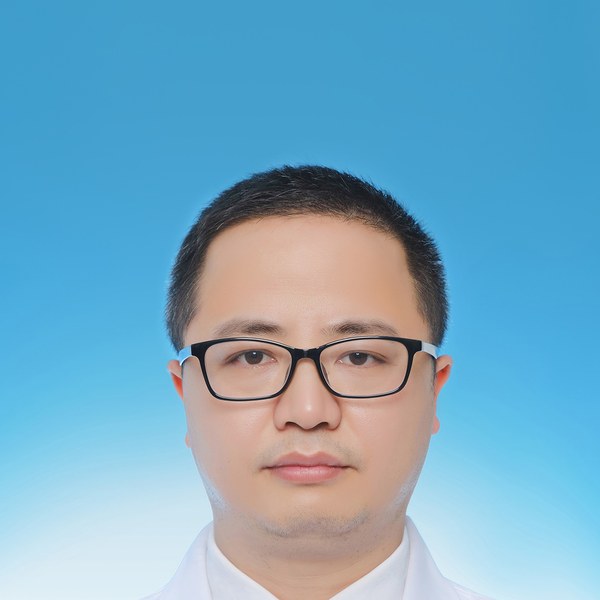
Shaoliang Wang

Shaoliang Wang (王韶亮)

Director, Plastic Surgery & Aesthetics Medical Center · Vice Chief Physician, Associate Professor, Doctor of Medicine

Plastic surgery · complex and raised scarring

Dr. Shaoliang Wang is Director of the Plastic Surgery & Aesthetics Medical Center at Chongqing West District Hospital, and previously served as Deputy Chief of Plastic and Aesthetic Surgery at Xinqiao Hospital, affiliated with Army Medical University.

His part of this site is the scarring that behaves unusually: scars that have healed raised and kept growing, scars that followed a course of medication rather than acne, and faces that have already had several rounds of treatment without a clear plan. Those cases need a diagnosis before another device is booked.

Clinical focus

  • Raised and thickened scars, including keloid and hypertrophic patterns
  • Complex wound repair and tertiary-hospital surgical support
  • Scar revision after previous treatment, and the honest limits of revising a scar

Not sure whether your scarring needs treating?

An assessment separates the marks that will fade from the scars that will not, and sets out what each step of the ladder would realistically change. If the honest answer is that you do not need treatment, we will say so.

Contact the Team